What is the recommended torque for tightening a Thimble Eye Bolt?
Leave a message

Hey there! As a supplier of Thimble Eye Bolts, I often get asked about the recommended torque for tightening these bolts. It's a crucial question because getting the torque right can make a huge difference in the performance and safety of your applications. So, let's dive right in and explore this topic.
First off, what exactly is a Thimble Eye Bolt? Well, it's a type of bolt with a loop or eye at one end, which is reinforced by a thimble. This design makes it ideal for applications where you need to attach ropes, cables, or chains. You can find them in a wide range of industries, from construction and manufacturing to marine and automotive.
Now, let's talk about torque. Torque is basically the amount of force applied to rotate an object. In the case of a Thimble Eye Bolt, it's the force you use to tighten the bolt into place. If you don't apply enough torque, the bolt might come loose over time, which can lead to serious safety issues. On the other hand, if you apply too much torque, you could damage the bolt or the material it's being installed in.
So, how do you figure out the recommended torque for your Thimble Eye Bolt? Well, there are a few factors to consider.
Bolt Size
The size of the bolt is one of the most important factors. Generally speaking, larger bolts require more torque than smaller ones. This is because they have a larger diameter and more surface area in contact with the material, so they need more force to hold them in place. For example, a 1/4 - inch Thimble Eye Bolt will have a different recommended torque than a 1 - inch one.
Material
The material of the bolt and the material it's being installed in also play a big role. Different materials have different strengths and hardness levels. For instance, if you're installing a Thimble Eye Bolt made of stainless steel into a soft aluminum plate, you'll need to be more careful with the torque compared to installing it into a hardened steel surface. Stainless steel is relatively strong, but aluminum is softer and can be easily damaged if too much torque is applied.
Coating
Some Thimble Eye Bolts come with special coatings, such as zinc plating or epoxy coating. These coatings can affect the friction between the bolt and the material, which in turn affects the recommended torque. A coated bolt might require a slightly different torque value compared to an uncoated one.
Application
The specific application where the Thimble Eye Bolt is being used is another crucial factor. If it's being used in a high - vibration environment, like on a machine or a vehicle, you'll need to make sure the bolt is tightened to a higher torque to prevent it from loosening. On the other hand, if it's a static application, a lower torque might be sufficient.
So, where can you find the recommended torque values?
One of the best places to start is the manufacturer's specifications. As a Thimble Eye Bolt supplier, we always provide detailed information about the recommended torque for our products. This information is based on extensive testing and engineering calculations to ensure the best performance and safety.
You can also refer to industry standards. There are several standards organizations, such as the American Society of Mechanical Engineers (ASME) and the International Organization for Standardization (ISO), that provide guidelines on bolt torquing. These standards take into account the factors we discussed earlier, like bolt size, material, and application.
Now, let's say you've got the recommended torque value, how do you actually apply it?

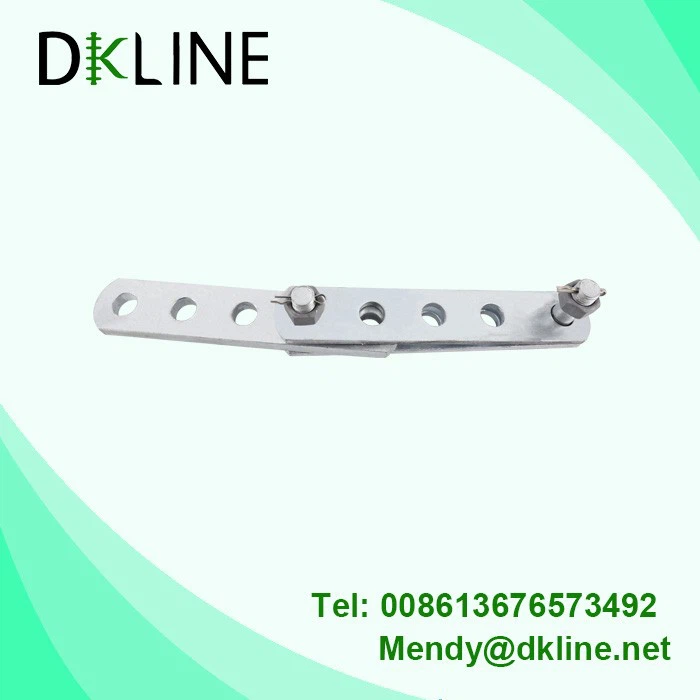
You'll need a torque wrench. A torque wrench is a special tool that allows you to apply a specific amount of torque to a bolt. There are different types of torque wrenches, such as click - type, beam - type, and digital torque wrenches. Click - type torque wrenches are the most common. They make a clicking sound when the preset torque value is reached, which tells you to stop tightening.
When using a torque wrench, make sure it's calibrated correctly. An uncalibrated torque wrench can give inaccurate readings, which can lead to over - or under - tightening of the bolt. You should also follow the proper technique. Start by hand - tightening the bolt until it's snug, then use the torque wrench to apply the recommended torque in a slow and steady manner.
As a Thimble Eye Bolt supplier, we also offer a range of related products that you might find useful. For example, if you're looking for reliable electrical connections, check out our Copper Lugs DT. These lugs are designed to provide a secure and efficient connection for your electrical systems.
If you need other types of fasteners, our Hex Bolts are a great option. They come in different sizes and materials to meet your specific requirements.
And for coupling fittings, take a look at our Extension Link PT. These links are perfect for connecting different components in your machinery or equipment.
In conclusion, getting the recommended torque for tightening a Thimble Eye Bolt is essential for the safety and performance of your applications. By considering factors like bolt size, material, coating, and application, and using the right tools and techniques, you can ensure that your Thimble Eye Bolt is installed correctly.
If you have any questions about Thimble Eye Bolts or need help with determining the right torque for your specific application, don't hesitate to reach out. We're here to assist you with all your Thimble Eye Bolt needs and can provide you with more detailed information and guidance. Whether you're a small - scale DIYer or a large - scale industrial customer, we've got the products and expertise to meet your requirements. So, if you're in the market for Thimble Eye Bolts or any of our related products, let's start a conversation and see how we can work together!
References
- American Society of Mechanical Engineers (ASME) Standards
- International Organization for Standardization (ISO) Standards
- Manufacturer's Specifications for Thimble Eye Bolts