Can steel structures be used in high - rise buildings?
Leave a message

Can steel structures be used in high - rise buildings?
In the world of modern construction, the quest for taller, more efficient, and sustainable high - rise buildings is unending. One of the key materials under constant evaluation for high - rise construction is steel. As a leading steel structure supplier, I have witnessed firsthand the evolution and application of steel in high - rise projects. In this blog, I will explore the viability of using steel structures in high - rise buildings, delving into their advantages, challenges, and real - world applications.
Advantages of Steel Structures in High - Rise Buildings
High Strength - to - Weight Ratio
One of the most significant advantages of steel is its remarkable strength - to - weight ratio. Steel can withstand large loads while being relatively lightweight compared to other building materials such as concrete. This characteristic is crucial for high - rise buildings, as it reduces the overall weight of the structure. A lighter building exerts less pressure on the foundation, which can lead to cost savings in foundation design and construction. For example, in a high - rise project where the soil conditions are not ideal for supporting heavy structures, a steel frame can be a more suitable option as it places less stress on the ground.
Design Flexibility
Steel offers unparalleled design flexibility. It can be easily fabricated into various shapes and sizes, allowing architects and engineers to create innovative and unique high - rise designs. Whether it's a sleek, modern skyscraper with a complex geometric form or a building with large open spaces, steel can be customized to meet the design requirements. This flexibility also enables the incorporation of advanced features such as curtain walls and large windows, which enhance the building's aesthetic appeal and energy efficiency. For instance, many contemporary high - rise buildings feature large glass facades supported by steel frames, creating a visually stunning and energy - efficient environment.
Construction Speed
The prefabrication nature of steel components significantly speeds up the construction process. Steel elements can be manufactured off - site in a controlled factory environment, ensuring high quality and precision. Once on - site, these components can be quickly assembled, reducing the overall construction time. In the competitive world of high - rise construction, where time is often of the essence, the ability to complete a project faster can lead to substantial cost savings and earlier occupancy. For example, in a large - scale high - rise development, the use of steel structures can shave months off the construction schedule compared to traditional building methods.
Sustainability
Steel is a highly sustainable building material. It is 100% recyclable, which means that at the end of a building's life cycle, the steel components can be reused or recycled into new products. Additionally, the energy efficiency of steel - framed buildings can be enhanced through proper insulation and design, reducing the building's carbon footprint over its lifetime. Many high - rise buildings today are designed with sustainability in mind, and steel structures play a crucial role in achieving these environmental goals.
Challenges of Using Steel Structures in High - Rise Buildings
Fire Resistance
One of the main challenges of steel structures in high - rise buildings is their relatively poor fire resistance. Steel loses its strength at high temperatures, which can pose a significant safety risk in the event of a fire. To address this issue, fire - resistant coatings or fire - proofing materials are often applied to steel components. These measures can increase the cost and complexity of the construction process. However, with advancements in fire - resistant technologies, the effectiveness of protecting steel structures from fire has improved significantly.

Corrosion
Steel is susceptible to corrosion when exposed to moisture and certain chemicals. In high - rise buildings, especially those located in coastal areas or industrial environments, corrosion can be a major concern. To prevent corrosion, protective coatings such as galvanizing or painting are applied to the steel surfaces. Regular maintenance and inspection are also required to ensure the long - term integrity of the steel structure.
Cost
While steel offers many advantages, it can be more expensive than some other building materials, especially in the initial stages of a project. The cost of steel fabrication, transportation, and installation can add up, making it a significant investment. However, when considering the long - term benefits such as reduced construction time, design flexibility, and sustainability, the overall cost - effectiveness of steel structures in high - rise buildings becomes more apparent.
Real - World Applications of Steel Structures in High - Rise Buildings
There are numerous iconic high - rise buildings around the world that have successfully utilized steel structures. The Empire State Building in New York City is a prime example. Built in 1931, it was one of the tallest buildings in the world at the time and featured a steel frame. The steel structure allowed for the rapid construction of the building, which was completed in just over a year. Another notable example is the Burj Khalifa in Dubai, the tallest building in the world. Its steel - reinforced concrete core and steel outer structure provide the necessary strength and stability to support its immense height.
Related Steel Accessories
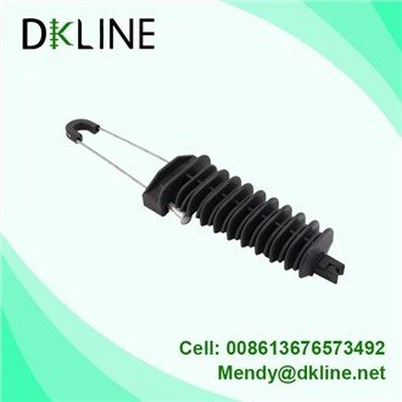
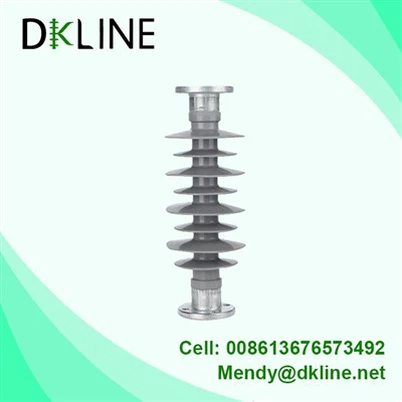
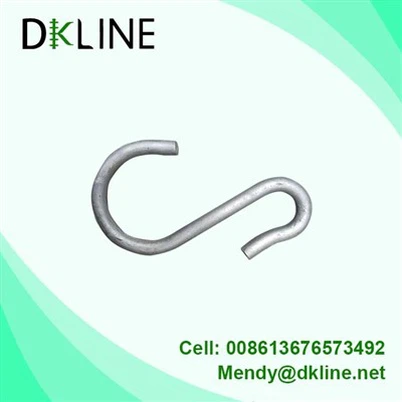
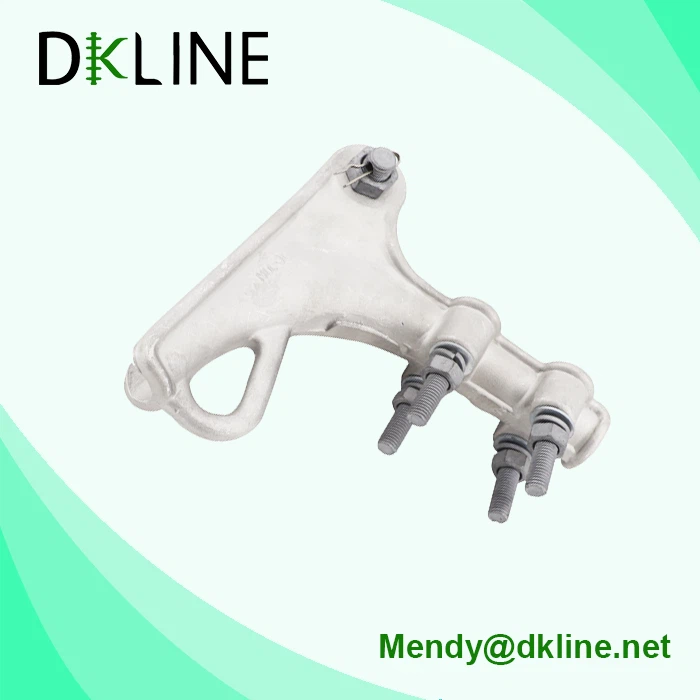
In addition to the main steel structure, various accessories play an important role in high - rise construction. For example, S - hook is a useful accessory that can be used for cable suspension and support. Twisted Tie Straps are commonly used for bundling and securing cables and wires, ensuring a neat and organized installation. Tension Clamp NLL is essential for applying tension to conductors in electrical systems, which is crucial for the proper functioning of high - rise buildings.
Conclusion
In conclusion, steel structures can indeed be used in high - rise buildings, and they offer a multitude of advantages in terms of strength, design flexibility, construction speed, and sustainability. While there are challenges such as fire resistance, corrosion, and cost, these can be effectively managed through proper design, construction techniques, and maintenance. As the demand for taller, more innovative, and sustainable high - rise buildings continues to grow, steel will undoubtedly play an increasingly important role in the future of high - rise construction.
If you are considering a high - rise building project and are interested in exploring the use of steel structures, I invite you to contact us for a detailed discussion. Our team of experts can provide you with customized solutions based on your specific requirements. Let's work together to create the next generation of high - rise buildings.
References
- "Steel Construction Manual" by American Institute of Steel Construction
- "High - Rise Building Design and Construction" by McGraw - Hill Education
- Industry reports on high - rise construction trends and steel usage