How to design a steel structure for a large - span building?
Leave a message

Designing a steel structure for a large - span building is a complex yet rewarding process. As a steel structure supplier, I've had the privilege of being involved in numerous large - span projects, and I'm excited to share some key insights on how to approach this challenging task.
Understanding the Basics of Large - Span Steel Structures
Large - span buildings, such as sports arenas, exhibition halls, and airport terminals, require steel structures that can support significant loads over long distances without excessive deflection. Steel is an ideal material for these applications due to its high strength - to - weight ratio, ductility, and ease of fabrication.


When starting the design process, it's crucial to have a clear understanding of the building's purpose and the loads it will need to withstand. Dead loads, which include the weight of the structure itself and any permanent fixtures, and live loads, such as the weight of people, equipment, and wind or snow, must be carefully calculated. For example, a sports arena will have different live load requirements depending on whether it's used for a concert, a sports event, or a combination of both.
Site Analysis and Environmental Considerations
Before finalizing the steel structure design, a thorough site analysis is essential. Factors such as the soil conditions, seismic activity, and local weather patterns can greatly influence the design. For instance, if the building is located in an area prone to earthquakes, the steel structure must be designed to withstand seismic forces. The soil's bearing capacity also affects the foundation design, which in turn impacts the overall stability of the steel structure.
Environmental considerations are also important. Steel structures can be susceptible to corrosion, especially in coastal areas or industrial environments. Therefore, appropriate corrosion protection measures, such as galvanizing or painting, should be incorporated into the design. Additionally, energy efficiency is becoming an increasingly important aspect of building design. Steel structures can be designed to accommodate insulation materials and energy - efficient glazing systems, reducing the building's energy consumption.
Structural System Selection
There are several structural systems available for large - span buildings, each with its own advantages and limitations. Some of the common systems include trusses, arches, space frames, and cable - supported structures.
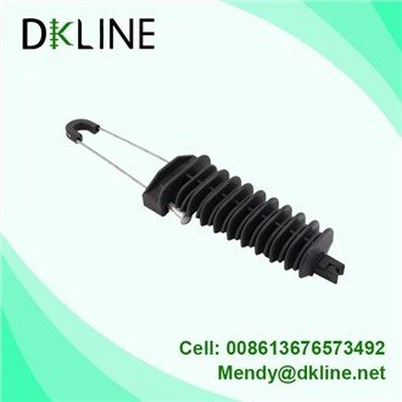
Trusses are a popular choice for large - span buildings due to their simplicity and efficiency. They consist of triangular elements that distribute loads evenly, allowing for long spans with relatively light members. Trusses can be fabricated off - site and then assembled on - site, reducing construction time and costs. FTTH CABLE TENSIONER can be used in some cases to provide additional support or tensioning in the truss system, especially when dealing with cable - like elements.
Arches are another effective structural system for large - span buildings. They transfer loads through compression, making them well - suited for spanning large distances. Arches can create a visually striking appearance, adding to the architectural appeal of the building. However, they require careful design to ensure stability, especially under lateral loads.
Space frames are three - dimensional structures composed of interconnected members that form a grid. They are highly efficient in distributing loads in multiple directions, allowing for large, open - span spaces. Space frames can be customized to fit various architectural shapes and sizes, making them a versatile option for large - span buildings.
Cable - supported structures, such as cable nets and cable - stayed structures, use cables to support the roof or other structural elements. These structures are lightweight and can achieve very long spans. Tension Plate is often used in cable - supported structures to connect cables and provide the necessary tension.
Material Selection
The choice of steel material is critical in the design of a large - span building. Different grades of steel have different mechanical properties, such as yield strength, ultimate strength, and ductility. High - strength steels are often preferred for large - span structures as they can reduce the weight of the structure while maintaining its strength.
In addition to the steel grade, the quality of the steel is also important. The steel should be free from defects and meet relevant industry standards. As a steel structure supplier, we ensure that all the steel materials we provide are sourced from reputable manufacturers and undergo strict quality control measures.
Connection Design
Connections are the weak points in a steel structure, and proper connection design is crucial for the overall integrity of the building. There are several types of connections, including bolted connections, welded connections, and hybrid connections.
Bolted connections are easy to install and allow for some degree of adjustability during construction. They are suitable for both field and shop fabrication. However, they may require more maintenance over time, as bolts can loosen due to vibration or other factors.
Welded connections provide a continuous and rigid joint, which can enhance the structural performance of the building. They are often used in areas where high strength and stiffness are required. However, welding requires skilled labor and strict quality control to ensure the integrity of the welds.
Hybrid connections combine the advantages of both bolted and welded connections. They can provide a balance between ease of installation and structural performance. Bimetallic Mechanical Lug DTLL 34/70 - 10 can be used in some connection designs to ensure reliable electrical and mechanical connections, especially in structures with electrical systems or grounding requirements.
Detailing and Fabrication
Once the structural design is complete, detailed drawings must be prepared for fabrication. These drawings should include all the necessary information, such as member sizes, connection details, and fabrication tolerances. As a steel structure supplier, we work closely with fabricators to ensure that the steel members are fabricated to the highest quality standards.
During the fabrication process, strict quality control measures are implemented to ensure that the steel members meet the design specifications. This includes checking the dimensions, surface finish, and material properties of the members. After fabrication, the steel members are transported to the construction site for assembly.
Construction and Erection
The construction and erection of a large - span steel structure require careful planning and coordination. A detailed construction schedule should be developed to ensure that the project is completed on time and within budget. The erection process should be carried out by experienced contractors who are familiar with the specific requirements of large - span steel structures.
During the erection process, safety is of utmost importance. Workers should be provided with appropriate safety equipment and training to prevent accidents. The steel members should be erected in the correct sequence, and temporary supports may be required to ensure the stability of the structure during construction.
Post - Construction Considerations
After the construction is completed, regular maintenance is essential to ensure the long - term performance of the steel structure. This includes inspecting the structure for signs of corrosion, damage, or deformation, and carrying out any necessary repairs or maintenance work.
In addition, the building's performance should be monitored over time to ensure that it meets the design requirements. This may involve measuring the deflections, vibrations, and other structural parameters to detect any potential issues early on.
Conclusion
Designing a steel structure for a large - span building is a multi - faceted process that requires a combination of technical expertise, creativity, and attention to detail. As a steel structure supplier, we are committed to providing high - quality steel materials and support throughout the entire design and construction process.
If you are planning a large - span building project and are in need of a reliable steel structure supplier, we would be delighted to discuss your requirements and provide you with a customized solution. Contact us to start the procurement and negotiation process, and let's work together to bring your vision to life.
References
- "Steel Structures: Design and Behavior" by S. A. Nassar and J. C. Jeon
- "Design of Steel Structures" by S. K. Duggal
- "Large - Span Structures" by A. P. Ballesteros and J. M. Corres