Are there any anti - corrosion requirements for FTTH cable tensioners?
Leave a message

Are there any anti - corrosion requirements for FTTH cable tensioners?
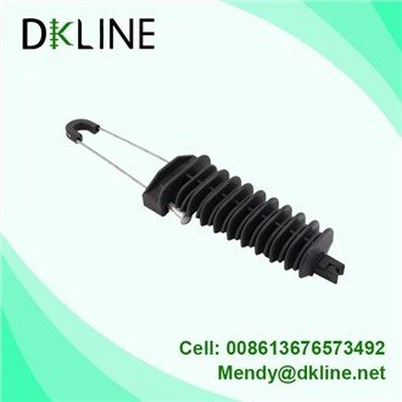
As a supplier of FTTH cable tensioners, I often receive inquiries about the anti - corrosion requirements for these essential tools in the fiber - to - the - home (FTTH) infrastructure. In this blog, I'll delve into the significance of anti - corrosion measures, the factors influencing these requirements, and how our products meet these standards.
The Importance of Anti - Corrosion in FTTH Cable Tensioners
FTTH cable tensioners play a crucial role in installing and maintaining fiber optic cables. They are responsible for applying the right amount of tension to ensure the cables are properly laid and secured. However, these tensioners are often exposed to various environmental conditions, including moisture, humidity, and chemicals. Corrosion can significantly impact the performance and lifespan of cable tensioners.


When a cable tensioner corrodes, its mechanical properties can change. The corroded parts may become weaker, leading to potential failures during the cable installation process. For example, a corroded bolt in a tensioner may break under stress, causing the entire tensioning system to malfunction. This not only delays the installation but also increases the risk of damage to the fiber optic cables, which are extremely delicate and expensive to repair.
Moreover, corrosion can also affect the accuracy of the tensioning force. A rusty or corroded tensioner may not be able to apply the precise amount of tension required, resulting in uneven cable distribution and potential signal loss in the long run. Therefore, anti - corrosion requirements are not just about the longevity of the tensioners but also about the overall quality and reliability of the FTTH network.
Factors Influencing Anti - Corrosion Requirements
Environmental Conditions
The location where the FTTH cable tensioners will be used is a major factor in determining the anti - corrosion requirements. In coastal areas, for instance, the air contains a high concentration of salt, which is highly corrosive. Tensioners used in these regions need to have a high level of corrosion resistance to withstand the harsh marine environment. Similarly, in industrial areas, the presence of chemicals and pollutants in the air can accelerate corrosion.
On the other hand, in dry and arid regions, the risk of corrosion may be lower, but still, the presence of dust and sand can cause abrasion, which can also lead to corrosion over time. Even in indoor installations, factors such as high humidity or the presence of cleaning chemicals can affect the corrosion resistance of the tensioners.
Material Selection
The materials used to manufacture the cable tensioners also play a crucial role in determining their anti - corrosion properties. Common materials for tensioners include steel, aluminum, and plastic. Steel is a strong and durable material, but it is prone to rust if not properly protected. Aluminum, on the other hand, has a natural oxide layer that provides some level of corrosion resistance, but it may still corrode in certain environments.
Plastic materials are generally more resistant to corrosion, but they may have limitations in terms of strength and durability. Therefore, the choice of material depends on the specific anti - corrosion requirements and the intended use of the tensioners. For example, in highly corrosive environments, steel tensioners may be coated with a special anti - corrosion layer, while aluminum or plastic tensioners may be preferred for less demanding applications.
Design and Coating
The design of the cable tensioner can also influence its anti - corrosion performance. A well - designed tensioner should have smooth surfaces and no crevices where moisture and dirt can accumulate. Additionally, proper drainage holes can help prevent water from pooling inside the tensioner, reducing the risk of corrosion.
Coatings are another important aspect of anti - corrosion protection. There are various types of coatings available, such as galvanizing, powder coating, and epoxy coating. Galvanizing involves applying a layer of zinc to the surface of the metal, which acts as a sacrificial anode, protecting the underlying metal from corrosion. Powder coating provides a durable and attractive finish, while epoxy coating offers excellent chemical resistance.
Our Anti - Corrosion Solutions
As a supplier of FTTH cable tensioners, we understand the importance of anti - corrosion protection. Our products are designed and manufactured to meet the highest anti - corrosion standards.
We use high - quality materials in our tensioners. For steel components, we often choose corrosion - resistant alloys and apply multiple layers of anti - corrosion coatings. Our galvanizing process ensures a thick and uniform zinc layer, providing long - term protection against rust. In addition, we also offer powder - coated and epoxy - coated options for customers who require enhanced corrosion resistance.
Our design team pays close attention to the details of the tensioner design. We ensure that all our products have smooth surfaces and proper drainage systems to prevent water and dirt accumulation. We also conduct rigorous testing on our products to ensure their anti - corrosion performance meets or exceeds industry standards.
Related Products and Their Anti - Corrosion Features
In addition to our FTTH cable tensioners, we also offer a range of related products that are designed with anti - corrosion in mind. For example, our Pole Clamp 2A is made from high - strength steel and is coated with a special anti - corrosion layer to withstand harsh outdoor conditions. It is an essential component for securing cables to poles, and its anti - corrosion properties ensure long - term reliability.
Our Twineye& Tripleye Guy Adapters With Pulling Eye are also designed to resist corrosion. These adapters are used in the cable pulling process, and their anti - corrosion features ensure smooth and efficient operation.
Another product in our portfolio is the Pigtail Bolt. This bolt is an important part of the tensioning system, and its anti - corrosion coating ensures that it remains strong and reliable even in corrosive environments.
Contact Us for Procurement
If you are in the market for high - quality FTTH cable tensioners and related products with excellent anti - corrosion properties, we invite you to contact us. Our team of experts is ready to assist you in selecting the right products for your specific needs. Whether you are working on a small - scale residential project or a large - scale commercial installation, we have the solutions to meet your requirements. We look forward to discussing your project and helping you build a reliable and long - lasting FTTH network.
References
- ASTM International. (20XX). Standard test methods for evaluating the corrosion resistance of metals and alloys.
- ISO Standards. (20XX). International standards for anti - corrosion coatings and materials.
- Industry reports on FTTH infrastructure and cable installation.