What are the problems that may occur during the transportation of overhead line fittings?
Leave a message

Hey there! I'm a supplier of overhead line fittings, and I've seen my fair share of issues that can pop up during the transportation of these crucial components. In this blog, I'll share some of the common problems and how they can impact the quality and functionality of the fittings.
1. Physical Damage
One of the most obvious problems during transportation is physical damage to the overhead line fittings. These fittings are often made of metal or other sturdy materials, but they're still vulnerable to dents, scratches, and even breaks. Rough handling, improper packaging, or collisions during transit can all lead to physical damage.
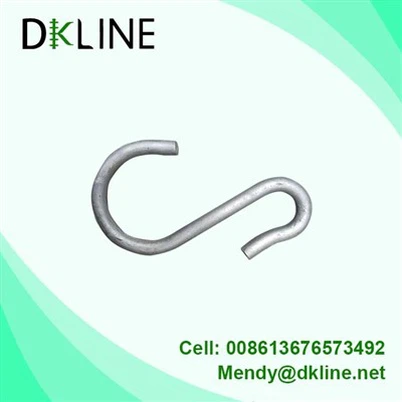
For example, if a pole clamp Pole Clamp CA isn't packed securely, it might get jostled around in the truck and end up with a bent or misaligned part. This can make it difficult to install the clamp properly, and it might not hold the pole as securely as it should. Similarly, a guy hook Guy Hook that gets damaged could lose its strength and reliability, putting the entire overhead line system at risk.
To prevent physical damage, it's essential to use high - quality packaging materials. Foam inserts, bubble wrap, and sturdy boxes can provide a cushioning effect and protect the fittings from impacts. Also, proper loading and securing of the packages inside the transport vehicle can reduce the chances of movement and collisions.
2. Corrosion
Overhead line fittings are often exposed to the elements, and transportation can exacerbate the problem of corrosion. If the fittings are shipped in a humid environment or if they're exposed to moisture during transit, rust and corrosion can start to form. This is especially true for fittings made of iron or steel.
Corrosion not only affects the appearance of the fittings but also their structural integrity. A corroded coupler Coupler, for instance, might have reduced conductivity, which is a major issue in grounding and bonding applications. It can also weaken the material, making the coupler more likely to break under stress.
To combat corrosion, we can apply anti - corrosion coatings to the fittings before shipping. Additionally, using moisture - resistant packaging and ensuring that the transport environment is as dry as possible can help prevent the onset of corrosion.
3. Misplacement and Loss
In a busy shipping process, there's always a risk of misplacement or loss of overhead line fittings. With multiple packages and a large number of items being transported, it's easy for a small fitting to get lost in transit. This can cause significant delays in the installation process at the destination.
Imagine a situation where a particular type of guy hook is missing from the shipment. The installation crew won't be able to complete the job until the missing part is found or replaced. This can lead to increased labor costs and a delay in the overall project timeline.
To avoid misplacement and loss, it's important to have a proper inventory management system. Each package should be labeled clearly, and a detailed packing list should be maintained. Regular checks during transit can also help identify any missing items early on.
4. Incompatibility with Transport Conditions
Some overhead line fittings are designed for specific environmental conditions, and if the transport conditions don't match these requirements, problems can occur. For example, some fittings might be sensitive to extreme temperatures. If they're shipped in a very hot or very cold environment, it can affect their material properties.
In cold temperatures, the metal in the fittings might become more brittle, increasing the risk of cracking. In hot temperatures, some plastics or rubber components in the fittings could expand or melt. This can lead to a change in the dimensions of the fittings and make them incompatible with the rest of the overhead line system.
When shipping these sensitive fittings, it's crucial to choose the right transport method and ensure that the temperature and humidity are controlled within acceptable limits.
5. Documentation Errors
Accurate documentation is vital during the transportation of overhead line fittings. Errors in documentation, such as incorrect part numbers, quantities, or shipping addresses, can cause a lot of headaches.
If the part numbers on the shipping documents are wrong, the receiving party might not be able to identify the correct fittings, leading to confusion and potential installation errors. Incorrect shipping addresses can result in the packages being delivered to the wrong location, which can cause significant delays.
To minimize documentation errors, double - checking all the information before shipping is a must. Using digital documentation systems can also reduce the chances of human error.
6. Delays in Transit
Delays in transit are a common problem that can have a big impact on the delivery of overhead line fittings. There are many factors that can cause delays, such as bad weather, traffic congestion, or problems at the shipping ports.
When there are delays, the installation schedule at the destination is disrupted. Construction projects often have tight timelines, and a delay in the delivery of fittings can hold up the entire project. This can result in additional costs for the project owners and can damage the reputation of the supplier.
To deal with potential delays, it's important to have a contingency plan. This could include working with multiple shipping carriers, choosing reliable transportation partners, and keeping the customers informed about the expected delivery times.


7. Regulatory Compliance Issues
Different regions have different regulations regarding the transportation of overhead line fittings. These regulations can cover aspects such as packaging, labeling, and the handling of certain materials. If the shipping process doesn't comply with these regulations, it can lead to fines, delays, or even the confiscation of the goods.
For example, some countries have strict rules about the use of certain types of packaging materials due to environmental concerns. If a supplier ships fittings using non - compliant packaging, the shipment might be held up at the border until the issue is resolved.
Staying updated on the regulatory requirements of different regions and ensuring full compliance is essential for a smooth transportation process.
In conclusion, there are several problems that can occur during the transportation of overhead line fittings. But by being aware of these issues and taking proactive measures to prevent them, we can ensure that the fittings reach their destination in good condition and on time.
If you're in the market for high - quality overhead line fittings and want to avoid these transportation problems, I'd love to have a chat with you. Feel free to reach out to discuss your specific needs and how we can work together to ensure a seamless supply process.
References
- General knowledge in the field of overhead line fitting transportation
- Industry experience as an overhead line fitting supplier