Are Your Earth Rods Grounded for Storms?
Leave a message

In power distribution and infrastructure development across East Africa-from Kenya and Tanzania to Uganda and Ethiopia-substation reliability and line safety depend heavily on effective earthing systems.
While earth rods represent a minor percentage of a project's Total Cost of Ownership (TCO), choosing suboptimal grounding material carries disproportionate risks. Frequent seasonal lightning surges, high-altitude soil characteristics, and corrosive soil environments mean that an inadequate earth rod will degrade rapidly, leading to dangerous step/touch potentials, equipment burnouts, and costly power outages.
For Procurement Managers, Electrical Engineers, and EPC Contractors handling utility or industrial tenders in East Africa, selecting the right copper bonded or solid copper earth rod is critical. This guide breaks down key specification parameters, regional soil challenges, and quality inspection criteria necessary to ensure long-term grid safety.
Key Environmental Challenges in East African Soil Dynamics
Grounding design in the East African region cannot rely on generic, warm-climate defaults. Equipment must withstand specific regional environmental stressors:
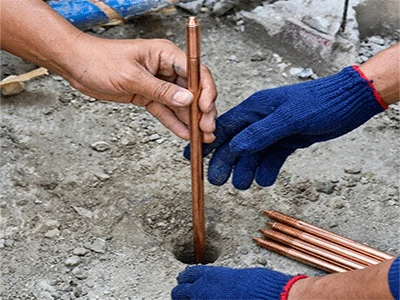
High Soil Resistivity: Volcanic soil compositions in the Rift Valley and arid terrain across parts of Ethiopia and Northern Kenya often feature elevated electrical resistance, requiring rods with optimal conductivity and reliable driving capabilities.
Corrosive Soil & High Moisture Content: Coastal zones (such as Mombasa and Dar es Salaam) and marshy inland areas feature high salt content or damp, acidic soils that accelerate electrolytic corrosion in low-quality steel cores.
Severe Lightning Density: Frequent seasonal thunderstorms subject local distribution lines and transformers to severe impulse currents, demanding low-impedance ground connections that maintain low resistance over decades.
Core Technical Specifications to Verify Before Bulk Procurement
When reviewing supplier spec sheets for utility tenders or commercial projects, pay close attention to the following physical and mechanical parameters:
| Parameter | Standard Specification | Why It Matters for East Africa |
|
Copper Bonded Coating Thickness
|
≥ 254 microns (0.254 mm)
(IEC 62561-2 Compliant) |
Prevents mechanical peeling and resists soil corrosion for 30+ yrs
|
|
Core Tensile Strength
|
≥ 600 N/mm² High-Carbon Steel
|
Prevents bending or mushrooming when driving into rocky soils
|
|
Thread Integrity & Type
|
Roll-threaded ends
|
Maintains continuous electrical conductivity across couplings
|
Copper Coating Thickness & Bonding Method
Molecular Bonding: Ensure the copper layer is molecularly bonded to the steel core via electroplating rather than a simple mechanical sheath. Sheathed rods easily crack or peel during installation, exposing raw steel to rapid underground oxidation.
Thickness Standard: For long-term municipal or utility grid installations, a minimum copper thickness of 254 microns (10 mils) is standard under IEC 62561-2.
Steel Core Mechanical Strength
Drivability into compacted or rocky soil requires high-tensile carbon steel. Inferior steel deforms or fractures during deep driving, ruining alignment and increasing installation labor costs.
Thread Quality for Extendable Rods
Deep-earthing applications frequently require coupling multiple rods together. Precision roll-threaded joints guarantee smooth coupling fit while protecting the underlying steel core against moisture ingress at connection points.
Quality Assurance & Compliance Standards
Securing project approvals from local power utilities (such as Kenya Power/KPLC, TANESCO, or Umeme) requires strict adherence to international and regional certification frameworks:
International Standards: Compliance with IEC 62561-2 (Lightning protection system components - Requirements for conductors and earth electrodes) or BS EN 62561-2.
Local Certification Support: Products should be supplied with factory inspection reports (Mill Test Certificates) and undergo Pre-Export Verification of Conformity (PVoC) to meet regional standards (KEBS, TBS, EBN, UNBS).
Adhesion & Bend Testing: Quality suppliers perform 180° bend tests on finished earth rods to verify that the copper layer does not flake or crack under high mechanical stress.
Checklist for EPC Contractors: Reducing Total Installation Costs
To keep project timelines on schedule and prevent field rework, consider the following procurement best practices:
Match Rod Diameters to Soil Hardness: Standard nominal diameters include 1/2", 5/8", and 3/4". For deep driving in hard clay or rocky soil, specify 5/8" or 3/4" threaded rods to avoid driving deformation.
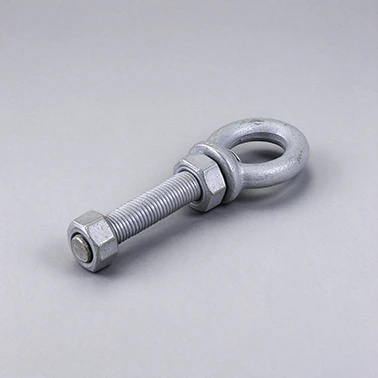
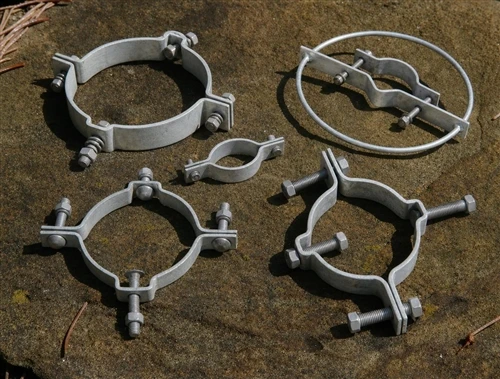
Standardize Accessories: Ensure earth rod clamps, driving heads, driving studs, and couplings match the thread profile and material grade of your rods to prevent galvanic corrosion between dissimilar metals.
Consolidate Freight Handling: Partner with manufacturers capable of delivering complete earthing kits (earth rods, inspection pits, grounding tape, and exothermic welding materials) in single container shipments to streamline customs clearance in East African ports.
Conclusion: Partner with a Reliable Earthing Solutions Supplier
Investing in high-quality, IEC-compliant earth rods is the most cost-effective strategy to protect power assets, reduce line maintenance overheads, and guarantee long-term grid stability across East Africa.
Whether you are bidding for power distribution contracts or upgrading industrial substation grounding, our engineering team supplies fully certified copper bonded earth rods engineered specifically for tough soil environments.
Request Your Product Catalogue & Factory Test Reports
Planning an upcoming power project in East Africa? [Contact Our Technical Procurement Team Today] to request a product catalogue, customized quotation, or factory sample kit for local utility approval.