How is the tensioning clamp on the pole installed?
Leave a message
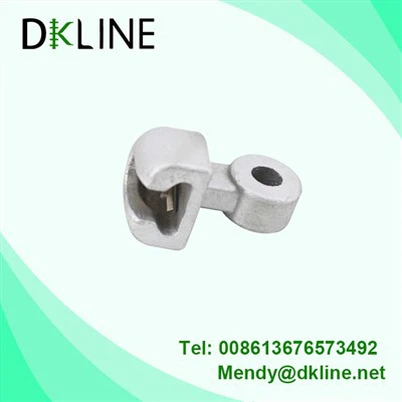
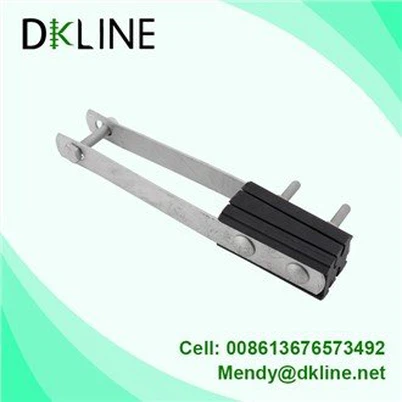
A tensioning clamp is a connection device commonly used in power lines to connect electrical conductors together to transmit power signals. Its main function is to maintain the tension of the wire and prevent it from being broken or twisted by external forces. In power transmission and distribution, tensioned wire clamps are an indispensable component, as they are able to steadily maintain the tension of the wire, thereby improving the safety and reliability of the line. The following is the installation method of the tension clamp.
Before installing a tension clip, prepare relevant materials and tools, including tension clips, insert plates, crimping pliers, cable pullers, steel cables, and conductors. First of all, it is necessary to determine whether the model and size of the tensioned wire clip matches the wire, and check the quality and integrity of the product. Then, clean the clamping plate and crimping pliers and check the surface of the clamping plate and wire for damage or corrosion. Finally, make the surrounding wires and equipment not live, and take good safety measures.
1. Cut the wire to be connected to a proper length as required, and remove the insulation layer at the cut, so that the exposed copper wire will be inserted into the wire clamp.
2. Insert the board into the connecting hole of the tensioned cable clip. Make sure the position of the board is perpendicular to the wire and aligns it with the top of the bus clamp.
3. Insert the exposed copper wire into the clip, and ensure that the wire is fully inserted into the clip until you see the end of the copper wire drain out of the clip. It should be noted that the insertion position should be on the inside of the connector and the clamp.
4. Use a wire puller to fix the wire rope on the tension clamp, which can assist in fixing the tension of the wire during installation, and keep the wire from displacing or squeezing. At the same time, use pliers to secure the clamp and wire rope to ensure that the clamp does not rotate or move.
5. After all the above steps have been completed, press the cable clamp using the crimping pliers until the clamp insert plate and the wire are securely secured together. When crimping, it is necessary to select the appropriate contact point to maintain the good quality and reliability of the crimping joint.
6. After the installation is complete, each clamp installed is tested to ensure that all components are installed correctly and meet the requirements. In particular, the tension of the wire rope must be appropriate to maintain the tension of the wire. Finally, the location where the installation is completed is marked and guarded and tested to ensure safety and verify the quality and performance of the wires.
The installation of tension clamp requires special attention to ensure that the tension of the wire, and the size of the clamp used, improper size will lead to the failure of the clamp, affecting the normal use of the wire. Regular inspection of the tension clamp helps to ensure the safety of the wire, so that the wire has a longer service life.